Our current food system
The transnational, corporate-driven food system is exploitive and extractive
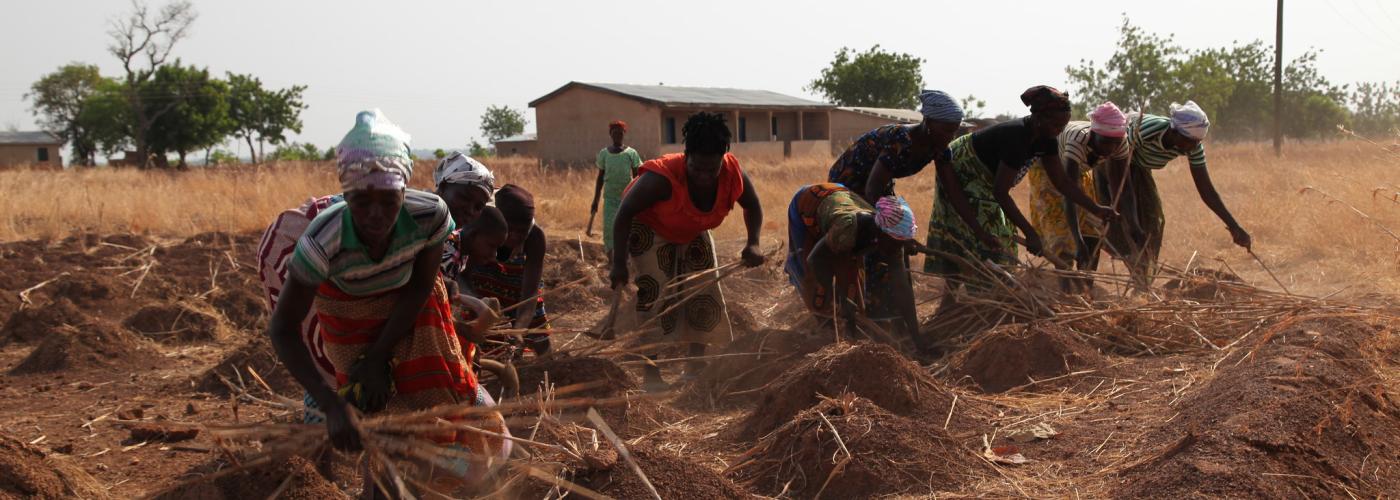
Increasingly, our global food system is dictated largely by transnational corporations, pursuing the cheapest farm commodities and labor in order to sell into an international market, with little regard for farmers or workers, rural communities or the environment. As this system extracts food and wealth, it undermines food systems that support and empower farmers and workers, meet health and nutritional needs, protect clean water and air and benefit communities.
The drivers of our current system
This system is propped up by local, national and international policies through an assortment of subsidies, preferences, loopholes and regulatory frameworks — often enshrined in hard law through trade agreements. As global agribusiness and food companies have consolidated, their political power and influence has grown, often blocking attempts to support food systems rooted in agroecology.
Who suffers? Who benefits?
As fewer companies control food production, they are able to lower the prices they pay farmers and the wages paid to workers. Weak health, environmental and worker protections result in toxic pesticide exposures and dangerous working conditions. The unrelenting push to expand agriculture commodity production has led to massive deforestation and land displacement. The social and environmental costs of this system are absorbed by the people and communities caught in it, as these global companies’ profits rise.
Why does this harmful system continue?
Big agribusiness and food companies have become powerful political players, influencing policy and politicians and fighting against protections for rural well-being, the environment and health. Enormous advertising and public relations teams advance a narrative of feeding the world’s hungry, environmental sustainability and supporting farmers. Their global reach challenges individual communities who try to fight back.